Jim's Cleaning Group was the winner of the ProductReview.com.au 2025 award for Exceptional Feedback and Service Excellence

Water damage can be particularly devastating to carpets, leading to mold growth, bad odors, and material degradation. Whether caused by natural disasters, plumbing failures, or appliance malfunctions, water intrusion can quickly ruin carpets if not addressed promptly. This blog will walk you through the essentials of water damage restoration for carpets and how to handle such situations effectively.
Water damage restoration for carpets is the process of cleaning, drying, and restoring carpets affected by water intrusion. The goal is to mitigate damage, prevent mold growth, and return the carpet to its pre-damaged condition. This process involves several key steps that must be handled quickly and professionally.
Carpet water damage can result from various sources, including:
Restoring water-damaged carpets requires a strategic approach. Below are the essential steps:
Professionals inspect the extent of the damage using moisture meters and infrared cameras. They classify the water damage based on contamination levels:
Using industrial-grade pumps and vacuums, excess water is extracted from the carpet as quickly as possible to prevent further damage and mold growth.
High-powered air movers and dehumidifiers are used to eliminate remaining moisture from carpets, padding, and subflooring to prevent microbial growth.
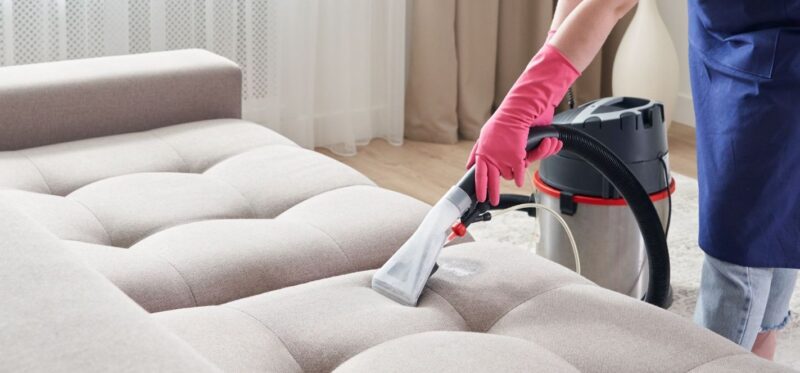
Affected carpets are cleaned with antimicrobial agents to prevent bacterial and mold growth. Special carpet cleaning techniques, such as steam cleaning, may be employed to restore fibers and remove odors.
Depending on the extent of damage, carpets may need to be re-stretched, reinstalled, or replaced entirely if beyond repair.
While some water damage incidents are unavoidable, taking preventive measures can help minimize risks:
If carpet water damage is extensive, involves contaminated water, or has led to mold growth, professional water damage restoration services are necessary. Certified technicians have the expertise, equipment, and knowledge to handle water damage effectively, ensuring safety and long-term carpet preservation.
Water damage restoration for carpets is a crucial process that requires prompt action and professional intervention to mitigate damage and prevent long-term issues. By understanding the causes, process, and prevention strategies, property owners can be better prepared to handle carpet water-related disasters efficiently.
If your carpets have suffered water damage, don’t hesitate to contact Jim’s Carpet Cleaning to assess and restore your property.
Upholstered chairs absorb everyday wear faster than many people realise. Dust, crumbs, spills and body oils settle into the fibres, leaving chairs looking unappealing if they are not cared for properly. The good news is that you don’t need complicated routines or expensive products to keep them fresh. With the right approach, you can clean […]
Keeping a microfibre cleaning cloth free of dirt after use is essential for various cleaning tasks, from countertops to windows and car interiors. To keep them performing well over time, follow these care tips to ensure they remain effective after every wash. We’ll give you everything you need to know on how to clean microfibre […]
Spring is all about fresh starts — cleaning out the cupboards, washing the windows, and getting life back into order after winter. But there’s one space many people forget when they think about spring cleaning: the car. Your vehicle goes through a lot in the colder months. Mud, moisture, salt, and dirt all build up inside […]
Most of us know the feeling, you walk through the front door and something just… smells “off.”Not terrible. Not obvious. Just not fresh. Here’s the good news: there’s a real, scientific reason odours linger in your home and once you understand the hidden causes, they’re surprisingly simple to fix. This month, we’re breaking down what actually causes […]