Jim's Cleaning Group was the winner of the ProductReview.com.au 2025 award for Exceptional Feedback and Service Excellence

Car detailing is more than just a cleaning process; it is a meticulous art that involves enhancing and restoring the appearance of a vehicle. From the exterior paint to the interior surfaces, a wide range of products are used to achieve that showroom-worthy finish. But have you ever wondered about the science behind these detailing products and how they work? In this blog post, we will explore the fascinating science behind car detailing and delve into how different products play a crucial role in achieving stunning results.
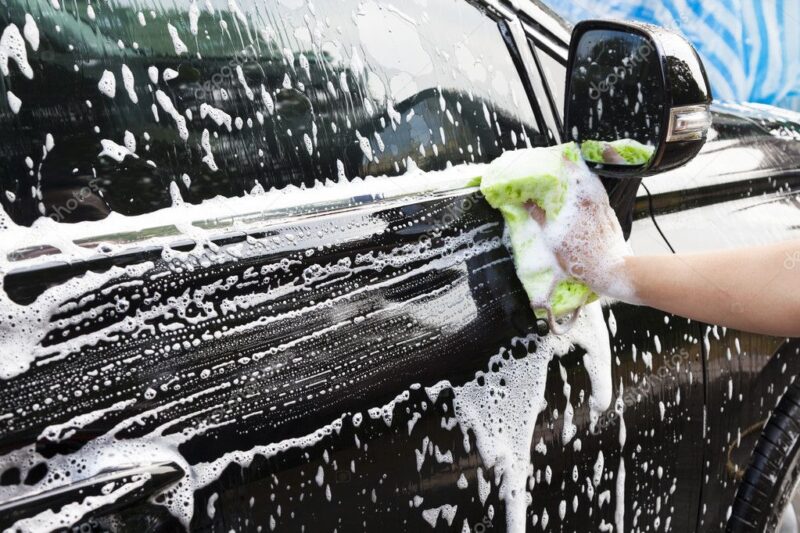
Surfactants are the key ingredients found in most car detailing products, especially shampoos and soaps. These substances work by reducing the surface tension between water and dirt, allowing them to lift and remove contaminants effectively.
Polishes and compounds are essential for restoring a vehicle’s paintwork. These products contain abrasive particles that work to remove imperfections such as swirl marks, light scratches, and oxidation. They interact with the clear coat, revealing a glossy and smooth surface.
Wax and sealants play a vital role in protecting the vehicle’s paint from environmental factors, such as UV rays, intense heat, moisture, oxidation, contaminants, and mechanical erosion. Car waxes are derived from natural ingredients and produce a warm glow that blends smoothly and enhances the colours below. While paint sealants are a synthetic polymer-based solution which provides great long lasting protection to the colour of your car. Car waxes will typically last 6-8 weeks, whereas paint sealants tend to last 4-6 months. Chat to your local Jim’s Car Detailer to find out which option is best for your vehicle.
Clay bars are widely used in car detailing to remove embedded contaminants that cannot be eliminated by traditional washing methods. Their unique composition allows them to pick up and trap contaminants, leaving the paintwork smooth and ready for further detailing processes.
pH plays a crucial role in determining the effectiveness of cleaning products. Different surfaces and contaminants require specific pH levels to achieve optimal results. For example, a neutral or slightly acidic pH on the vehicle surface creates the best possible situation for the drying agent/rinse aid to work quickly and cause water to beat and run off the vehicle. Excess alkalinity, where the pH is too high, tends to ‘stick’ to the painted surface of a vehicle. This can leave a chalky residue on the vehicle.
Car detailing isn’t just about the exterior; the interior also requires attention. Leather conditioners are formulated to be easily absorbed so the fibres can be nourished, keeping the leather soft and supple. Vinyl protectants aim to protect vinyl from harmful UV rays and heat, preventing them from discolouring.
Car detailing products are carefully formulated using scientific principles to ensure optimal performance and results. Understanding the science behind these products can help car enthusiasts and professionals alike make informed choices when it comes to selecting the right products for specific detailing tasks. By delving into the fascinating world of car detailing chemistry, we can appreciate the artistry and precision that goes into achieving a stunning, showroom-worthy finish for our beloved vehicles. To organise your next car detail, book online now!
How To Get Streak-Free Windows If you have seen any Jim’s Window cleaner out and about cleaning exterior windows you might be wondering why you don’t see any of them up on a ladder with a squeegee. That’s because we enjoy staying out of harms way. All of our window cleaners are equipped with a […]
Life can feel overwhelming — but your home doesn’t have to add to the chaos. Research shows that a clean and organised space can improve mood, reduce stress, and even support better sleep. Here are some “Zen Home Hacks” to help create peace of mind: 1. The 5-Minute Rule If a task takes less than […]
Our vehicles say a lot about who we are and what we value. They exhibit our style, elevate our status, and even showcase our state of mind. So when our cars start to look more than a little road weary, it may bother us more than we realise. From road trips and food spills to […]
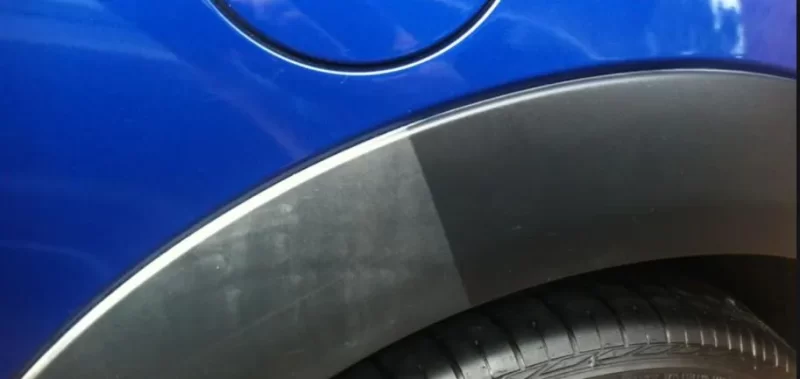
Over time, exposure to sunlight, weather, and pollutants can take a toll on your car’s exterior trim and plastic parts, leaving them dull, chalky, and faded. Restoring these surfaces not only enhances your vehicle’s appearance but also protects the material from further damage. Fortunately, reviving faded trim and plastic is a task you can handle […]