When To Clean, Sanitise And Disinfect
We’ve all heard of the terms sanitising and disinfecting; I mean that’s what you do when you clean isn’t it?
Many people outside of the cleaning, health and food industries use these terms interchangeably. You see, disinfecting, sanitising and cleaning all mean and do different things around your home and workspace.
We are going to explain the differences as well as tell you when you should be using these methods in an easy to follow 1, 2, 3 system.
Cleaning
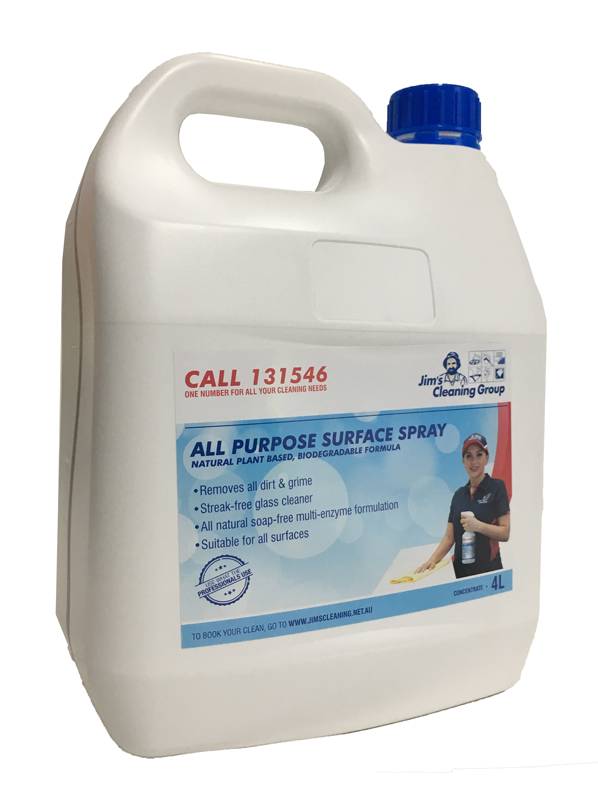
This would be level 1. It is essentially removing visible but also non visible objects and particles from surfaces. We often clean to make our houses or work places ‘tidy’. The use of an all-purpose spray or warm soapy water more often than not is enough to keep your surfaces clean and remove most bacteria. The focus of cleaning isn’t necessarily to kill bacteria, but rather to maintain a tidy surface.
Please note that some all-purpose sprays can have disinfectant in them, however, you must use the product differently for it to disinfect your surfaces compared to if you were to just clean them. We will explain further under disinfecting.
Sanitising
This would be level 2. It reduces bacteria, fungi and disease carrying microorganisms to levels considered safe as determined by public health codes and regulations. However, it does not necessarily eliminate them. Sanitisers are said to kill 99% of bacteria if left of a surface for 30+ seconds before wiping or removing.
Disinfecting
This would be level 3. It’s the type of cleaning that destroys and/or prevents the growth of bacteria, fungi and disease causing microorganisms. A disinfectant is an agent such as heat or chemicals that destroys, neutralises, and/or inhibits the growth of disease-carrying microorganisms. There are 2 types of disinfectants: hospital-grade and general disinfectants.
When Should I Disinfect?
There are many areas of our home and workplace that do not need disinfecting or at least not regularly. Too much disinfecting can actually have a negative affect on your immune system. However, there are surfaces that require regular disinfecting, such as:
- Kitchens: When cooking raw meats, it is important to disinfect the surfaces that have come into contact with the harmful bacteria that raw meat carries.
- Bathrooms: The bathroom is where people go to clean themselves so you can imagine the bacteria and other particles that get left behind. It is important to disinfect high traffic areas.
- When someone is sick: To avoid others in your family or workplace catching illnesses it’s important to disinfect the areas in which the sick person has been in contact with.
Pro tip: When a person is ill in your home wear disposable gloves when cleaning, avoid shaking out cloths and linens, avoid placing anything into a basket or bin that would then carry the bacteria and keeping that persons utensils and supplies separate to the rest of the home e.g. toiletries, cups, medications, etc.
How Do I Disinfect?
It’s important to know that a all-purpose cleaner does not disinfect, and if your product has a disinfectant in them please read the instructions on how to disinfect, rather than to simply clean – there will be 2 different methods. When you need to disinfect, it’s critical to use the right products and tools to get the job done.
A disinfectant’s one job is to kill. It may sound dramatic, but it must find, attack and kill all bacteria, only then can it be wiped away. This process cannot be done with the simple spray and wipe method. To disinfect you must follow this two step process:
Step 1: Cleaning
A surface can’t be disinfected until it is clean. You must remove all grease, grime, and dirt. This is where your handy all-purpose cleaner plays a vital role.
Step 2: Disinfecting
As mentioned previously, disinfectant does not work if it is simply sprayed and wiped away, it needs dwell time. Generously spray your disinfectant on the surface – it should look wet all over- and leave for 3-10 minutes depending on the products instructions. If you notice any drying spots, re-apply! Then, wipe away with a clean cloth. If you can see streaks, rinse with a clean cloth and water.
Pro tip: if this is something that will be going into your child or pet’s mouth, rinse it under water first to make sure there is no disinfectant left on it.
General disinfectants that you can use in your home according to the CDC, are:
- a store-bought disinfectant that’s registered with the EPA
- rubbing alcohol that’s at least 70% alcohol by volume
- a bleach solution of 4 teaspoons of bleach per quart of water on a surface (assuming it’s safe to use on that surface).
never mix bleach with ammonia, or vinegar, or any other cleaning product
How To Use Disinfecting Wipes
Wipes can be a good way to clean high traffic contact points such as light switch plates, electronic items, or keypads that you don’t want to spray, or when you’re on the go (car, travel, shopping etc.).
Have you been using disinfecting wipes properly? Like disinfectants, they have a specific process that must be followed. Most people don’t use them properly and don’t use them on the right surfaces. Note: make sure your wipes are labelled as disinfecting wipes before starting.
How To Use Properly
Clean the surface first and then use a fresh wipe to disinfect the surface. Again, like spray you must keep the surface wet for 3-10 minutes depending on the instructions. This process will require you to watch and reapply the wipes to ensure it stays wet. It may mean you go back 5 or 6 times, but it does have a search and kill mission to complete. Once dry, wipe the area to remove any residue (wipes are usually wet and leave streaky residue behind) with a clean, damp microfiber cloth.
Have you been using your disinfectant wipes properly?
What Should I Disinfect?
There is a time and place for disinfecting and doing it often and everywhere is not the answer. Below are the areas we recommend you disinfect but feel free to add additional areas as you see fit.
Points of Contact
In other words, areas that are touched often. Our hands touch many things during the day including our mouths and faces. As such, they are often the transporter of illness and disease. Points of contact are a real source of focus when preventing illness. Door handles, light switches, remote controls, sinks, toilets, phones, etc., are all points of contact. You can use either a wipe or spray when disinfecting said areas.
Electronics
This covers off things like phones, laptops, tablets, watches, keyboards, mouse, remotes, etc. These items are often overlooked. A Deloitte survey found that on average people pick up their phone 58 times a day. Imagine the germs and bacteria that would be present when not disinfected regularly. Wipes are often a great choice when disinfecting electronics.
Bathrooms
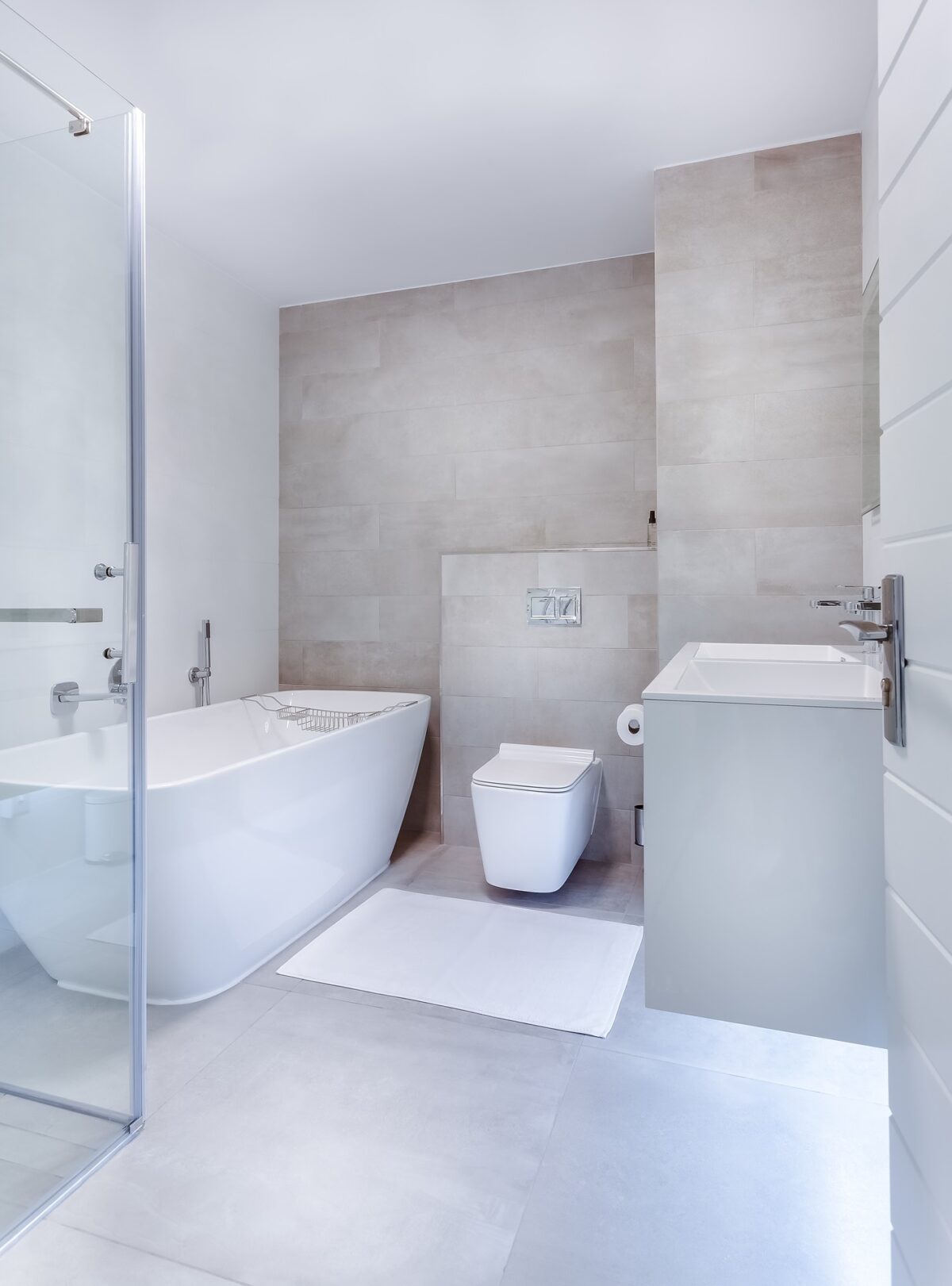
Bathrooms have multiple points of contact that need disinfecting when an illness is present. Toothbrush holders, toilet and the surrounding area, countertops, sinks, light switch, and all soft surfaces such as rugs and towels need disinfecting. It is a good idea to let the sick person use a bathroom no one else will use to contain any germs.
Disinfecting a bathroom can be a long process when done correctly, however, it is necessary when illness is present.
Cleaning Tools
In times like this, make sure your cleaning tools are being changed out and cleaned more often. You can clean your cloths in the washing machine on a warm or hot cycle depending on care instructions – make sure to wash these on their own – and then put in the dyer to dry.
Sponges, brushes, and mops should be cleaned after each use and porous materials like sponges should be changed out at a higher frequency than normal if you suspect or know someone is sick. A soak in warm soapy water after each use would be sufficient for brushes and mops – you can also put some in the washing machine and let air dry. Always make sure you check the care instructions prior to any cleaning. Sponges can be zapped in the microwave to remove bacteria. Click here for a great instructional blog,
Now you are equipped with the knowledge of a professional cleaner. We hope this information serves you and your family well during times of sickness.